Here’s the thing. I opened a Solana extension the other day and felt oddly excited. My instinct said this would be simple, but somethin’ felt off. Initially I thought extensions all behave the same — install, authorize a few permissions, then forget about it — but then I realized that wallet extensions for Solana carry different UX choices, security tradeoffs, and developer integrations that change how you interact with onchain apps; think of it like ordering coffee at your local cafe where small service details totally shape the experience. I’ll be honest: some parts of the setup bug me.
Wow, this is different. Phantom is the wallet most folks mention for Solana. It stores keys locally, offers a clear plugin flow, and has wide dApp support. On one hand the UI reduces friction for newcomers by masking complex signing flows and batching requests, though actually, under the hood there are nuanced permission models and deep integration hooks that developers and security-minded users should understand before approving every prompt. Something felt off about a few permission prompts when I tested multiple sites.
Where to get the extension and what to check first
Hmm, here’s a tip. I’m biased, but if you want the official extension, go to the right source to avoid scams and fake builds. I usually point people to the verified page where the team lists supported browsers and install steps: phantom wallet download extension. Actually, wait—let me rephrase that: check the publisher name, look at recent update timestamps, and confirm permissions before you click accept, because malicious clones sometimes try to piggyback on the popularity of legitimate wallets. Back up your seed phrase offline, and use a hardware wallet for big balances.
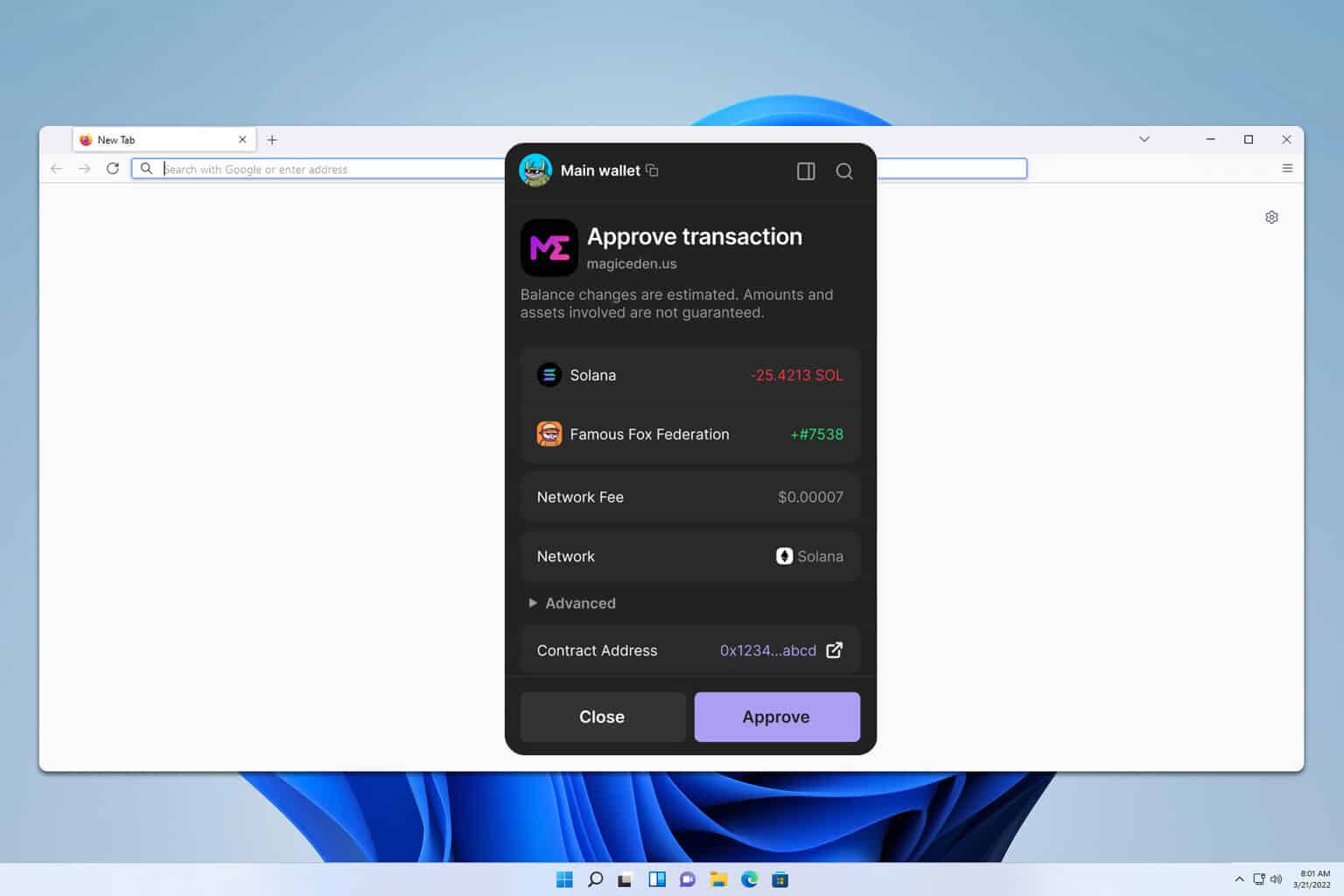
Seriously, do this. I tried connecting to a few Solana dApps and noted differences in how popups request signature approvals. Some sites batch transactions while others ask for each signature, which affects speed and gas predictability. On the developer side there are hooks like deep linking and program-derived address flows, and while many teams adopt standard patterns, tiny implementation differences can lead to confusing user prompts that look similar but mean very different things. My instinct said small UX tweaks would fix it, but clearer dialog text really helps very very much.
Whoa, don’t rush this. Permissions on Solana wallets are powerful, and users rarely read the fine print. Here’s what bugs me about some extensions: too much handholding hides important details (oh, and by the way…). If you rely solely on convenience, you may approve transactions that move tokens or delegate authority in ways you didn’t intend, and reversing that is either impossible or very costly. So, set conservative defaults and use ledger support when available.
FAQ
Is a browser extension wallet like Phantom safe enough for everyday use?
Really, yes I mean it. Phantom is widely used and the team publishes updates regularly. No extension is a perfect shield; attacks often exploit user error or malicious dApps. Always verify publisher details, keep software updated, and consider hardware signing for large sums. Test with small amounts and scan community reports before trusting new integrations.





 English
  Albanian
  Italian
  German